


What Are the Most Important Customer Conversation Metrics to Track for Business Growth?

How six essential metrics can reveal growth opportunities you can act on today
Picture this: Your phone is ringing, your team is busy, and customers want to speak with you. But you have no clear picture of how many calls are coming in, what conversations are actually happening, which ones are turning into opportunities, and where customers might be slipping away. Without that visibility, it is easy to mistake activity for progress.
With the right insights, every call can become a source of truth about your business. The following six metrics can help you see where you are winning, where you are losing, and where improvements can create big payoffs.
Conversation Rate
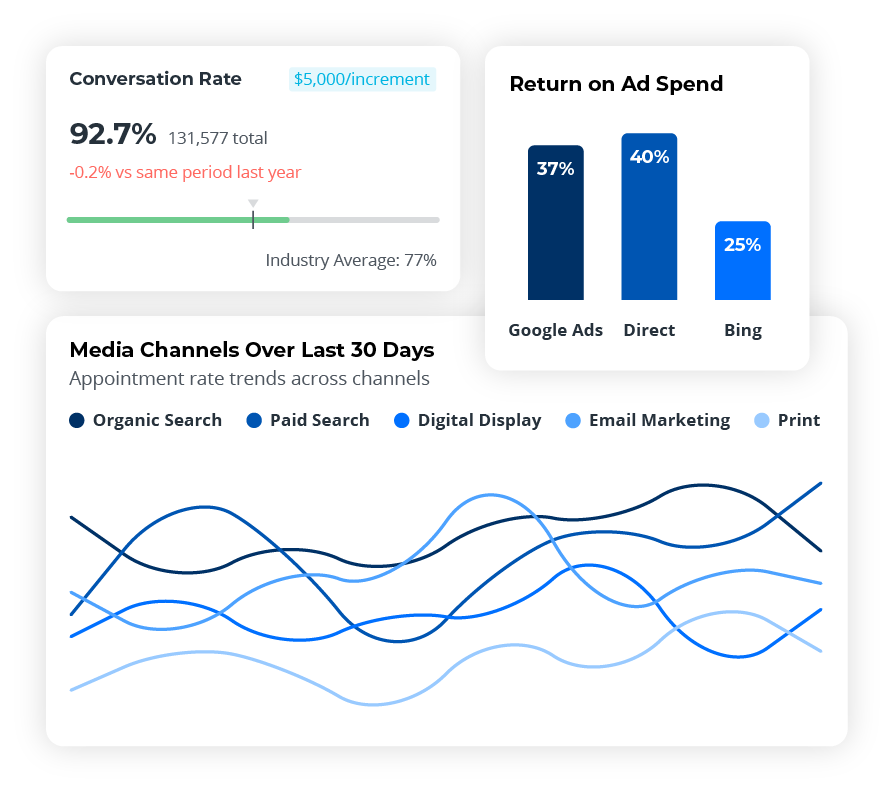
If customers are calling but not connecting with a live person, potential revenue is evaporating before you even know it exists. Industry data shows that 85% of consumers abandon a call after hitting an auto attendant, and 27% hang up just because they reached it. Calls can get stuck in phone menus, misrouted, or dropped. Sometimes the problem is as simple as the wrong staffing at the wrong time.
What it means for you: Tracking Conversation Rate tells you how often your team is actually speaking with a customer. If the number is low, you can consider adjusting routing, staffing, or processes to capture more opportunities in real time.
Lead Rate
When your team connects with a live prospect, does the conversation become a sales opportunity? Without a clear lead rate, you can’t diagnose whether the issue lies in missed opportunities by your team or in low-quality leads that aren’t worth chasing.
What it means for you: A strong lead rate shows that your marketing is attracting the right audience and your team is skilled at recognizing interest. If it is low, the fix might be in your marketing strategy, your call scripts, or your qualifying process.
Appointment Rate
In appointment-based businesses, a booked slot is hard-won but pivotal. With only about 1 in 100 outreach activities leading to a sales appointment, and each rep juggling over 100 tasks daily, every appointment secured represents a major step toward revenue. Tracking your appointment rate can highlight where prospects may hesitate and can help teams improve their chances of getting to “yes.”
What it means for you: Knowing your appointment rate can help you train your team to handle objections and adjust scheduling, so customers find it easy to say yes.
Lead Score
Some leads close quickly. Others never buy. Without a way to score them somewhere along this spectrum, your team may waste time chasing the wrong prospects while the best ones wait too long for a follow-up.
What it means for you: Lead scoring allows you to prioritize high-value opportunities and align your sales effort toward prospects most likely to result in wins.
Negative View of Business Rate
A frustrated customer often shares their experience, but not always directly with you. If you are not measuring customer frustration in your conversations, you may never know the source of dissatisfaction until it shows up in online reviews or turns into lost repeat business.
What it means for you: Tracking customer frustration can provide you with early warnings. You can step in, resolve the issue, and turn a negative into loyalty before it damages your reputation.
CSAT Score
Customer satisfaction is not just a feel-good number; it predicts possible repeat business, referrals, and long-term growth. If you’re not tracking or measuring CSAT, you are left guessing whether your team is delivering the experience you promise.
What it means for you: A strong CSAT score can show that you are meeting or exceeding expectations. A drop in the score may signal a need for change before customers start looking elsewhere.
The Big Picture
When you have visibility into these six areas, you can shift from reacting to leading. You can see exactly where customers are falling out of the funnel, where your team is exceeding expectations, how customers are feeling about doing business with you, and which adjustments can create the fastest revenue impact.
With Marchex, this visibility can come in near real time and with the context you need to act. You would not be just tracking volumes of interactions. You can be uncovering patterns in customer intent, pinpointing friction in the buyer journey, and identifying the highest-value opportunities before your competitors do.
Businesses that use Marchex to track these metrics are able to spot trends sooner, make smarter decisions faster, and execute with greater confidence. These insights would not replace your people. They can empower them. Giving every sales rep, service agent, and marketing leader the clarity and focus to win more often, deliver better customer experiences, and drive measurable growth.
Every Call Counts. The Right Metrics Make Them Pay Off.
Your customers are likely telling you what works, and what does not, in every conversation. Marchex can help you capture those signals, improve performance, and grow faster. See how businesses like yours use call insights to boost revenue, speak with a Marchex expert today.